
-
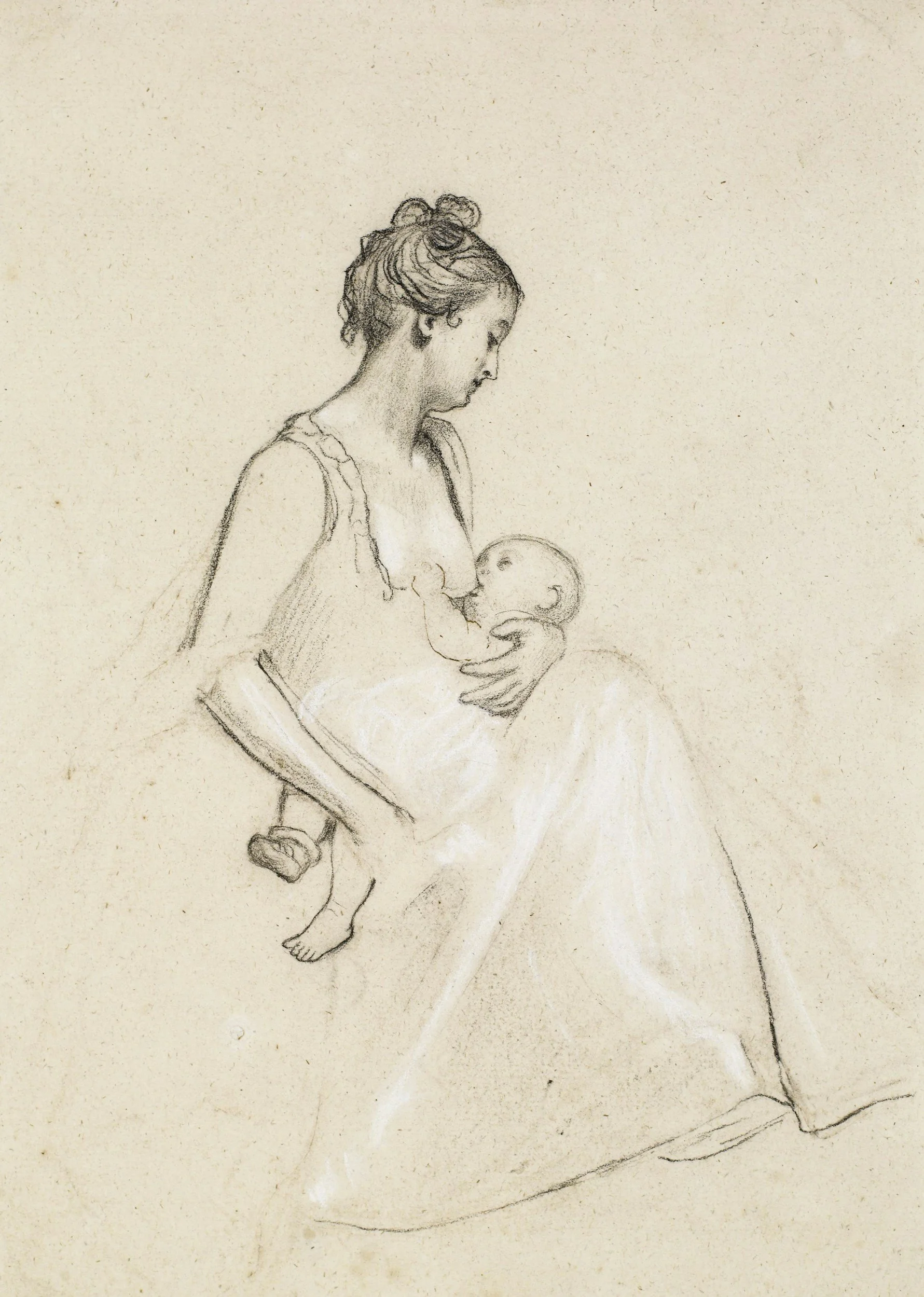
Becoming a mother can be both a beautiful and disorienting transition. Your identity begins to reorganize itself around this new reality of nurturing life. A held space, community, and individual support become a lifeline as you navigate this complex journey of matrescence.
Research shows that 1 in 5 women will experience anxiety or depression during or after the birth of a child. You aren’t alone.
I offer specialized care for perinatal (the period before, after or during pregnancy) mood and anxiety disorders, including depression, anxiety, ADHD, relationship issues, birth trauma, congenital abnormalities, and loss.
-
Persistent sadness, emptiness, or hopelessness.
Loss of identity or sense of self.
Grief related to pregnancy loss, difficult diagnosis or fertility issues.
Relationship strain and disconnect.
Excessive or uncontrollable worry.
Feeling heightened irritability, anger, or rage.
Changes in appetite or sleep patterns.
Racing heart and or feelings of panic.
Difficulty bonding with baby.
Intrusive or unwanted thoughts.
Compulsive behaviors (constant checking or seeking reassurance).
Loss of interest or pleasure in activities.
Feeling disconnected or detached (from self, baby, or reality).
-
I generally use a mix of approaches. Dependent on the issue we are addressing, you may find one or more of these at work within a session. These are my most used therapeutic approaches with perinatal clients, with a brief description about each.
Cognitive Behavioral Therapy (CBT)
Addresses unwanted thoughts, behaviors or feelings with through restructuring and self compassion.
Interpersonal Therapy (IPT)
Proven effective especially in experiencing role transitions within relationships and within self.
Attachment Based / Psychodynamic Approach
Explores deeper emotional patterns based on early attachment experiences.
Mindfulness & Somatic Work
Uses body scanning and deep breathing techniques to reduce distress and regulate. Increases bodily awareness, orientation and connection to self.